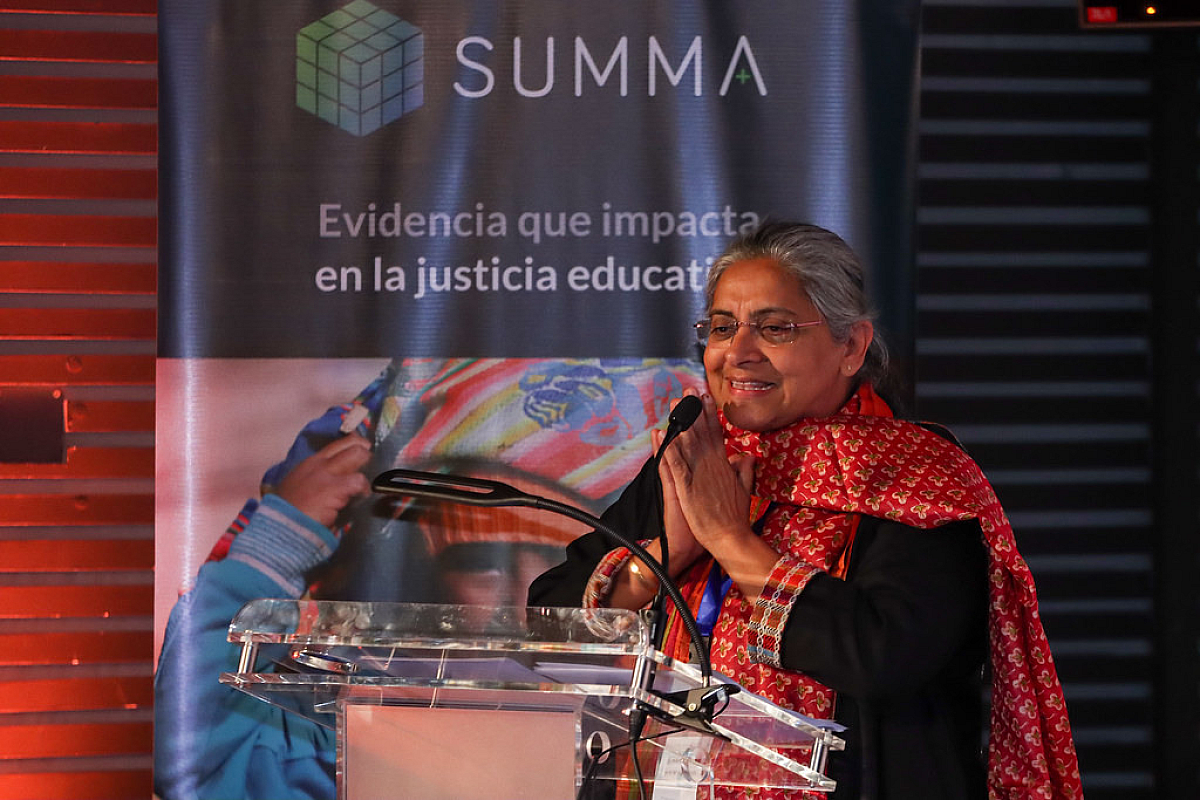
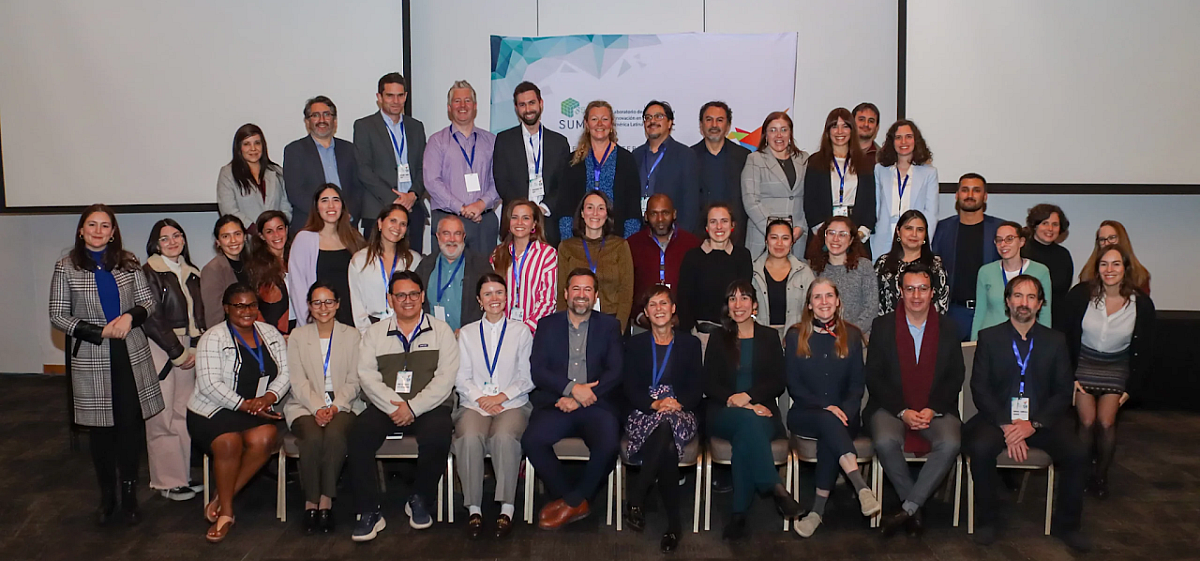
The 2024 EEN Workshop was hosted by SUMMA in Santiago, Chile.
Key Questions
- How can evidence help transform educational policy and practice to move towards more equitable systems?
- How can we make better use of evidence to reduce learning gaps and promote better quality education systems?
- What policies and reforms have education systems designed and implemented that achieve higher levels of quality and equity?
Themes and Highlights
1. How can evidence help transform educational policy and practice to move towards more equitable systems?
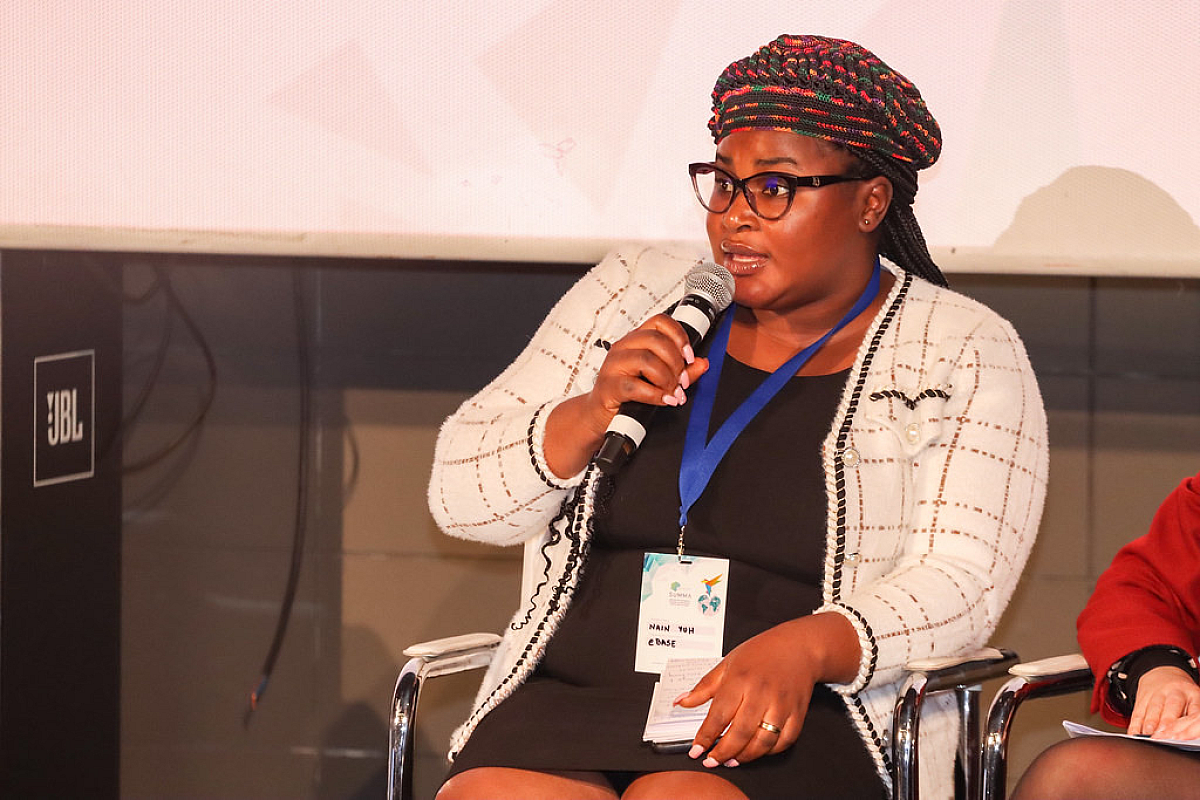
We heard from speakers across the EEN, OECD and the World Bank about the potential of the growing evidence base underpinning teaching approaches to strengthen teaching quality globally.
Professor Steve Higgins shared more about the processes of systematic review and meta-analysis that Durham University and EEF teams undertook when developing the Teaching and Learning Toolkit and underpinning EEN database. They explored how, when done robustly, the process can support us to understand this growing evidence base and indicative impacts of different approaches.
Jaime Saavedra from the World Bank shared plans to launch a report on teaching methods to complement the GEAAP panel’s Best Buys report.
The OECD shared ongoing work to develop shared language around approaches and practices to support international professional networks for teachers.
Rafael Carrasco, Deputy Director at SUMMA demonstrated how SUMMA have been connecting learnings from the global evidence in the Toolkit to what is happening within Latin America and the Caribbean considering “¿como puede ayudar la evidence?” or “how can evidence guide us?”

2. How can we make better use of evidence to reduce learning gaps and promote better quality education systems?
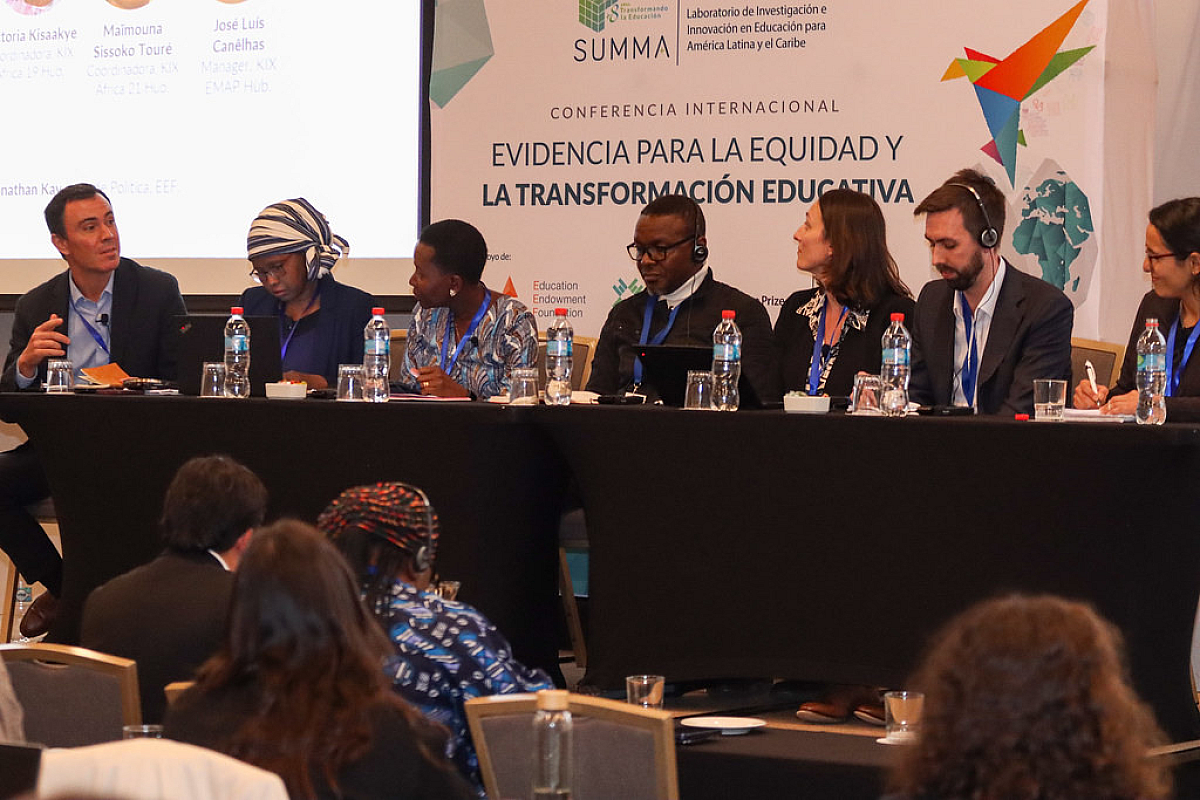
Time and again, we returned to the evidence base underpinning teaching and learning, and its relevancy to practice and policy, with inputs from key speakers across evidence intermediaries within the EEN and the Global Partnership for Education Knowledge Innovation and Exchange Hubs (GPEKIX Hubs).
Hubs from GPE’s KIX network also highlighted the importance of relevancy when supporting policymaker evidence-use. They highlighted the need for investment in national experts and functions across systems to address the systems, structures and partnerships for supporting evidence use and how th
The messenger is as important as the message, particularly in Global South, highlighted José Luís Canêlhas from the KIXEMAP hub. Victoria Kisaakye from the KIX Africa 19 Hub emphasised the importance of developing peer-peer learning partnership between similar systems. These, she stated, would enable partners to draw from approaches grounded in international evidence, but that have been contextualised for local use to help address issues of relevancy of the evidence base.
3. What policies and reforms have education systems designed and implemented that achieve higher levels of quality and equity?
We heard from many systems, each with their own set of challenges around education inequality, but all committed to using evidence to address issues of education access and quality.
The Ecuadorian experience highlighted the importance of aligning the whole system around improvements in outcomes, for example improvements in teaching conditions and teacher pay were being coupled with reforms to support further professionalisation through CPD and improvements in pedagogy.
El Salvador and the Ministries of the Eastern Caribbean through the OECSC were also prioritising quality teaching and learning through CPD targeted at addressing challenges of inefficiency and effectiveness. The Flemish government in Belgium have invested in an evidence centre for education to strengthen teacher professionalism, aiming to improve pre-service as well as in-service training and development.
In the English and Chilean systems, equitable financing models are being prioritised as a way to better target funding: messaging around these have emphasised the importance of using this funding in a way that is guided by evidence. Many systems spoke of commitments to, and examples of, investment in the policy and practice relevance of domestic research.